
If you’ve been anywhere near the VR combat scene in the last few years, you already know there’s one game that’s set the gold standard for physics-based action and player-driven creativity — Blade & Sorcery. What started as an ambitious indie VR project has evolved into the undisputed king of melee combat sims, while simultaneously birthing one of the most vibrant UGC and modding ecosystems in the entire VR landscape.
Blade & Sorcery has taken VR combat and action by storm, dominating the genre since its early access debut in December 2018. Developed and published by the independent French studio WarpFrog — a small, remote team obsessed with physics-driven immersion — the game’s mission has always been crystal clear:
Build the most immersive, tactile, physics-accurate melee combat experience ever created for VR.
Where other VR combat titles rely on canned animations or floaty hit detection, Blade & Sorcery takes the opposite approach: “game first, marketing second.” Every design choice is built around responsiveness, weight, and realism. Weapons have mass. Armor has resistance. Strikes don’t succeed because a script says so; they succeed because the physics engine agrees.
The result? One of the most compelling, smooth, and addictive VR combat systems ever made. But the magic doesn’t stop at combat. B&S’s sandbox combat, handcrafted maps, physics-driven magic, and deep customization make it the perfect playground for experimentation — whether you’re a casual player or a modding wizard.
We’ve pushed Blade & Sorcery’s engine to its absolute limits — and then some — by pairing its physics-driven sandbox with the cinematic power of Unreal Engine 5. From superhero overhauls to cyberpunk dystopias to full-on futuristic sci-fi mod worlds, our team has proven just how wildly flexible this ecosystem can be.
Our Blade & Sorcery creatives don’t just look good — they perform. They’ve generated hundreds of millions of views, fueled massive community engagement, and helped supercharge the modding economy by spotlighting what creators can build inside this engine. In short: when you combine B&S’s physics with UE5’s visual fidelity, you get pure content rocket fuel.
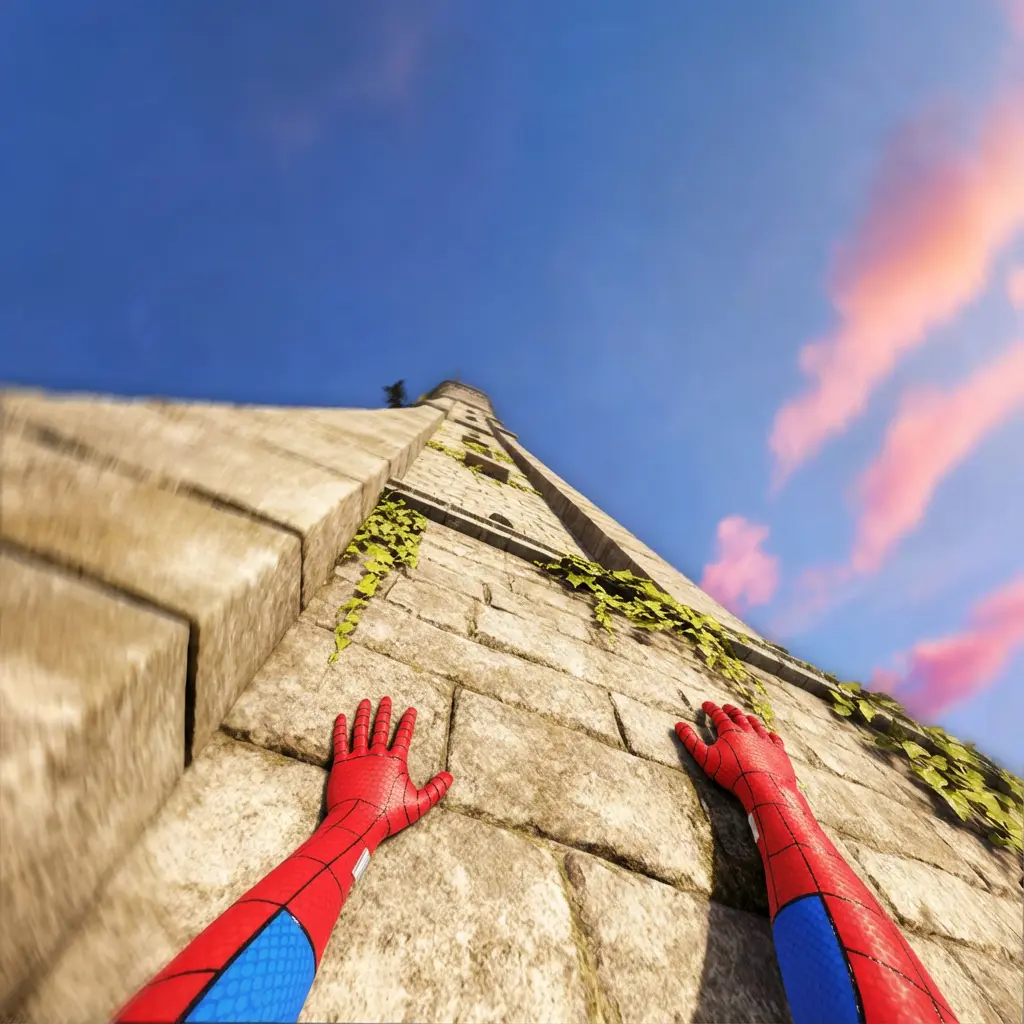
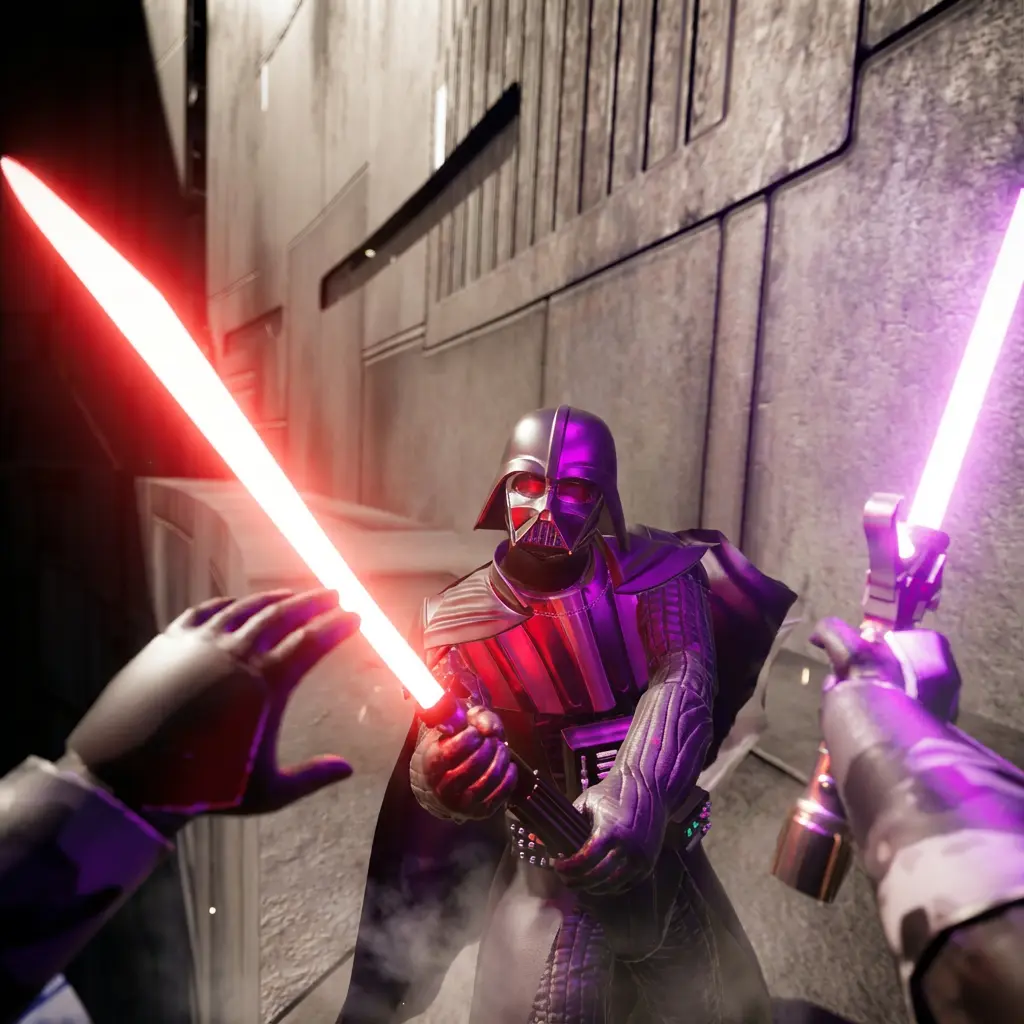
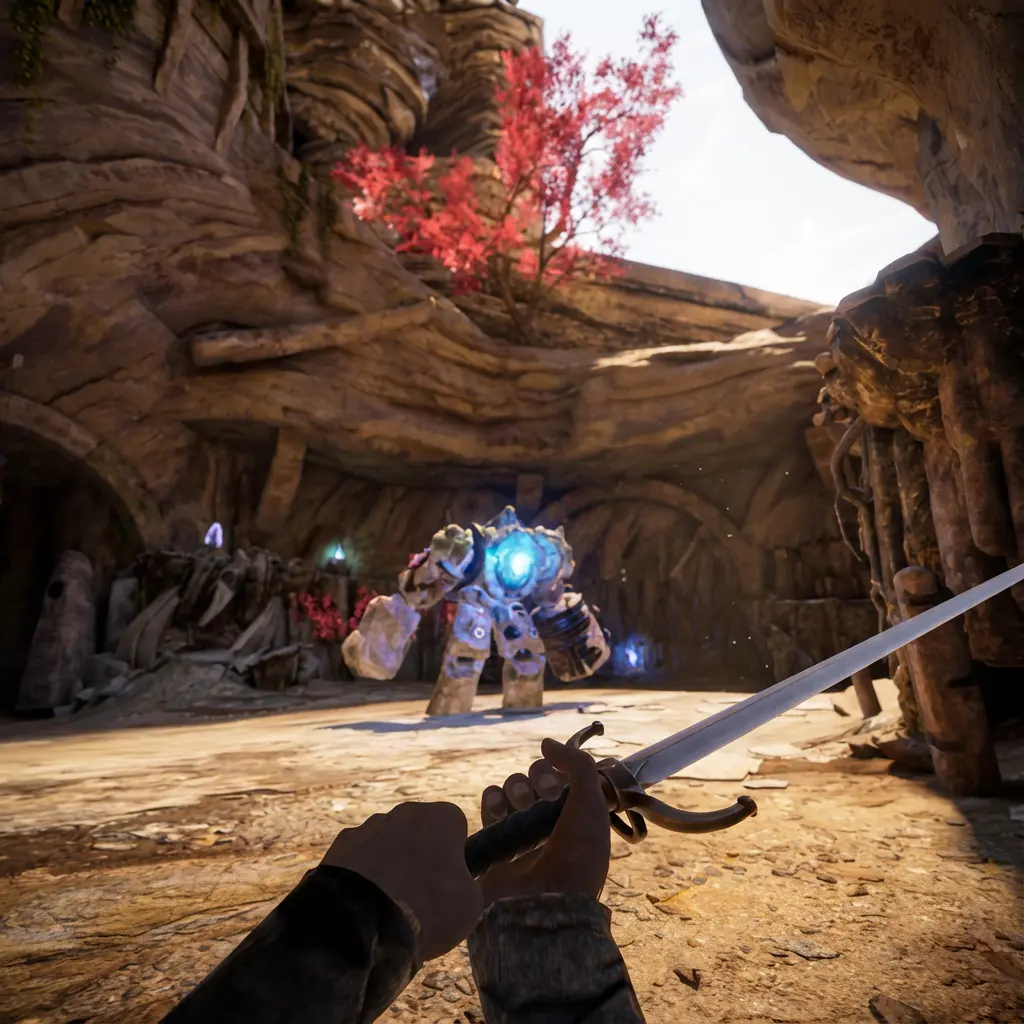
Ask any VR player why Blade & Sorcery has such insane longevity, and you’ll get the same answer: The modding scene is unreal.
B&S has evolved into one of VR’s largest, most active UGC ecosystems, fueled by thousands of creators producing everything from lore-friendly swords to total conversions. In 2023, the game integrated mod.io’s official support, giving players in-headset mod browsing — and within just 48 hours, community downloads skyrocketed into the millions. This wasn’t incremental growth; it was a supernova.
Some of the most iconic additions include:
The creativity is endless — and the developers actively encourage it, making B&S arguably the most mod-friendly VR combat sandbox to date.
Blade & Sorcery isn’t just a VR game — it’s a case study in how physics, community, and creative freedom can extend the life of a title far beyond industry norms. In a landscape where so many VR projects burn out fast, B&S continues to grow because it hands the toolkit directly to the players.
And WarpFrog, by supporting modders rather than restricting them, has created a sustainable ecosystem where the game improves year after year — not because of marketing, but because of genuine player passion.
Six years in, Blade & Sorcery still delivers the most satisfying physics-driven combat in VR, backed by a modding community that refuses to slow down. Whether you’re diving into:
…there’s always something new waiting. Its unmatched combat, limitless UGC potential, and die-hard community cement B&S as the top pick for VR action combat — and easily one of the most influential sandbox experiences VR has ever produced.
Blade & Sorcery isn’t just owning its genre. It’s defining how VR games should evolve.