
Science fiction has long imagined machines that pull life-sustaining resources straight from the environment. In Star Wars, moisture farms dotted the deserts of Tatooine, quietly extracting water from thin air. For decades, that idea lived firmly in fiction. Kara Pure aims to bring that concept into the real world.
Designed as a compact, countertop atmospheric water generator, Kara Pure promises something deceptively simple: turning ambient air into clean drinking water. No plumbing. No bottled deliveries. Just air, electricity, and condensation — refined for modern homes.
But like many ambitious consumer technologies, Kara Pure’s journey hasn’t been linear. From its first public appearance through crowdfunding campaigns, early skepticism, and ongoing development, it stands as an intriguing case study in how futuristic ideas meet practical reality.
Kara Pure first appeared publicly as a consumer-facing atmospheric water generator aimed at homes rather than industrial or disaster-relief use cases. The pitch was immediately eye-catching: a sleek appliance that could produce drinkable water anywhere humidity exists.
Early reactions ranged from fascination to caution. On one hand, the underlying science wasn’t new. Atmospheric water generation has existed for years in military, industrial, and off-grid contexts. On the other, bringing that technology into a compact, affordable, kitchen-friendly form factor raised legitimate questions around efficiency, output, and real-world practicality.
Still, the concept struck a chord — especially with audiences concerned about sustainability, plastic waste, and water security.
One of Kara Pure’s biggest challenges is that its core function — pulling water from air — is largely invisible. To help bridge that gap, we contributed a suite of visual and narrative assets designed to make the process tangible and understandable:
The focus was clarity rather than spectacle — helping audiences visualize what’s happening inside the device, not just what it looks like on a countertop.
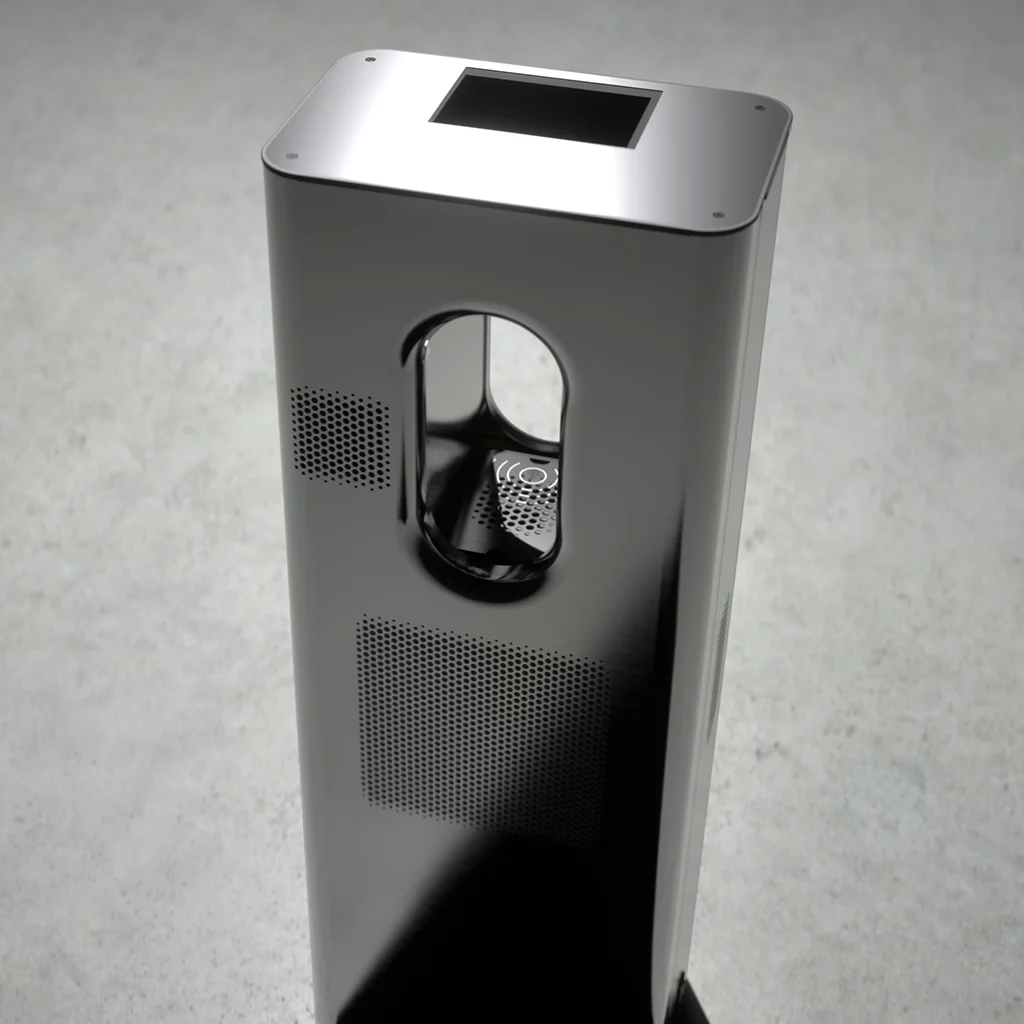
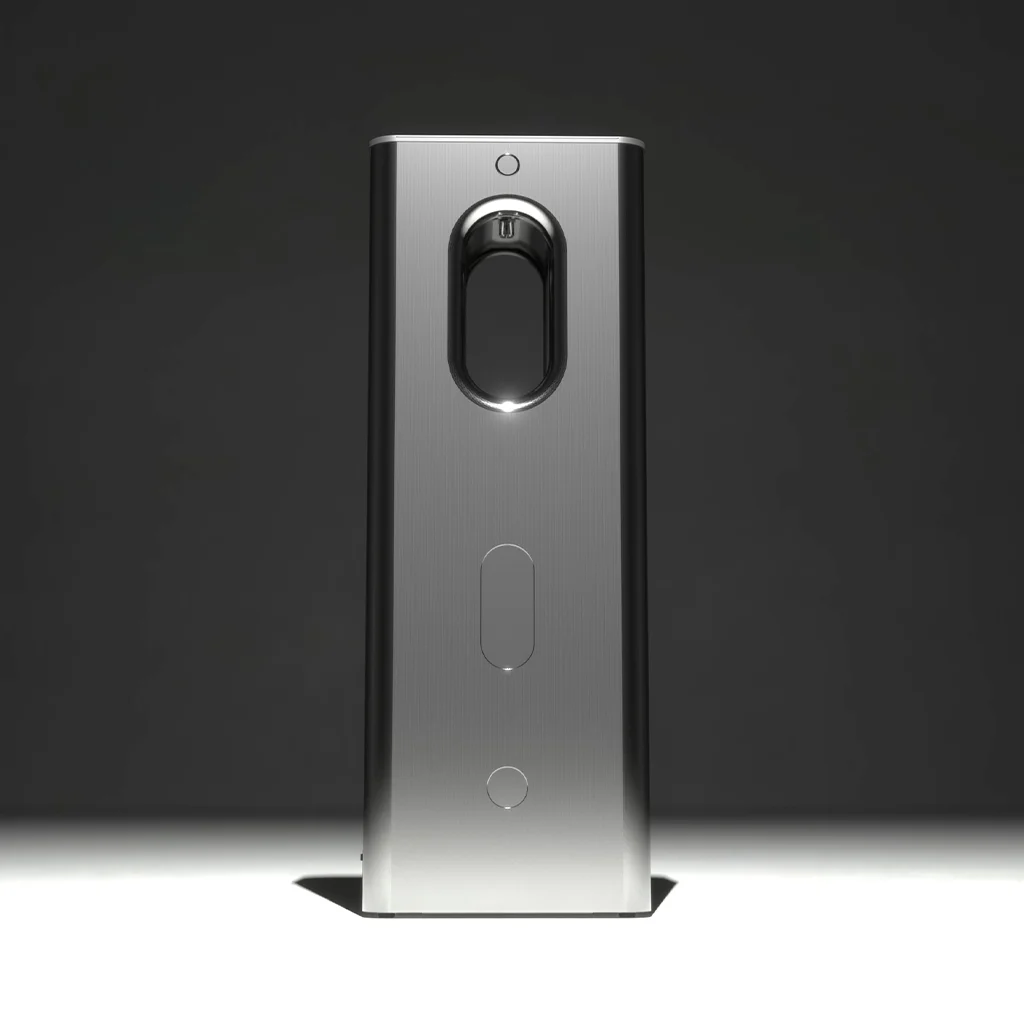
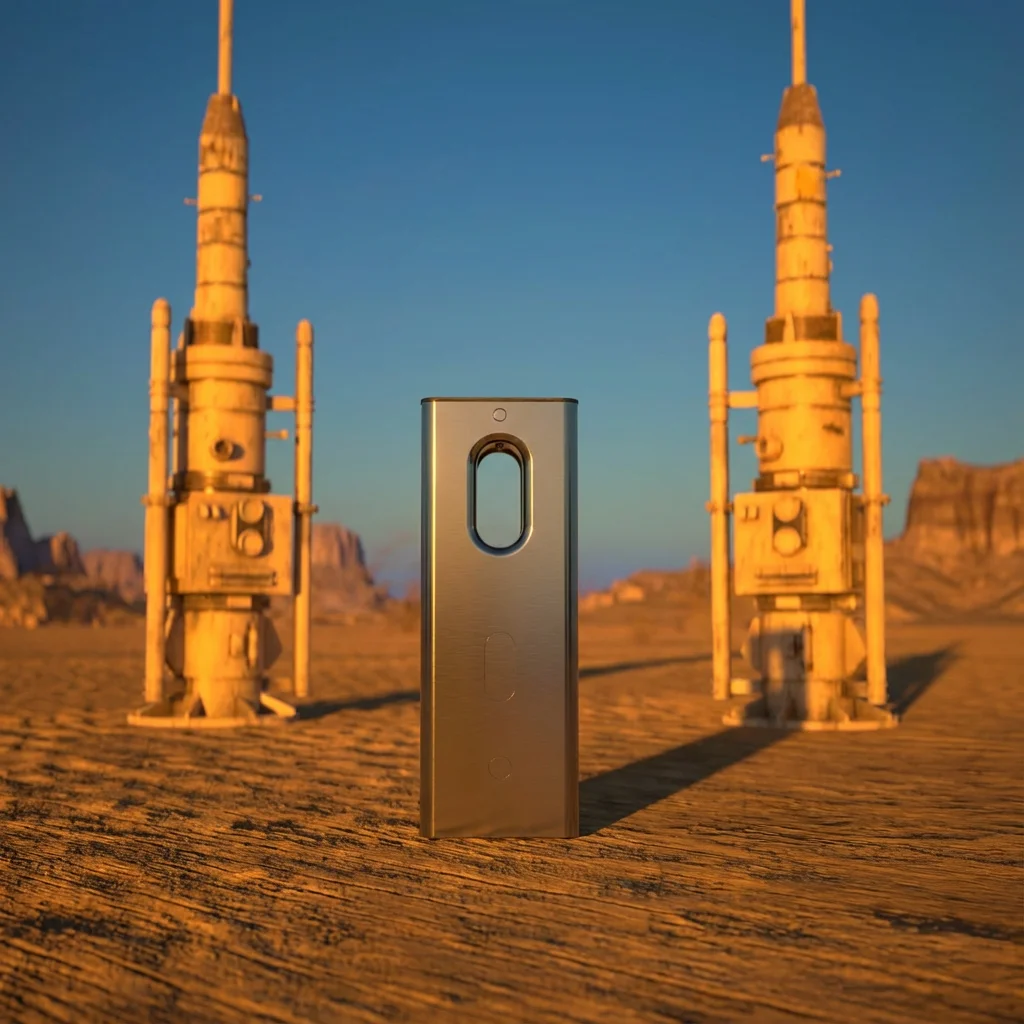
Kara Pure’s rise in visibility accelerated through crowdfunding, where public interest quickly translated into real financial backing. On Indiegogo, Kara Pure’s original campaign raised over $1.1 million, supported by more than 1,100 backers across the live campaign and InDemand phase. The scale of the response pushed the project well beyond novelty status, signaling that a significant audience was willing to invest in the idea of atmospheric water generation for the home.
The momentum continued on Kickstarter, where a follow-up campaign for a related product iteration raised approximately $370,000+, once again surpassing its funding goal by a wide margin. Combined, Kara Pure’s crowdfunding efforts totaled well over $1.3 million, placing it among the more successful sustainability-focused hardware projects on these platforms.
At the same time, crowdfunding amplified scrutiny. Backers and observers raised practical questions around:
Rather than silencing critics, the campaigns surfaced the most important conversation of all: expectations versus use cases.
As Kara Pure gained traction, tech reviewers and commentators weighed in with a mix of curiosity and caution. Most critiques weren’t dismissive — they were grounded in physics and environmental variables. Common themes included:
Comparisons were frequently drawn to air conditioners and dehumidifiers, with some describing the device as an expensive refinement of technology that has been quietly extracting moisture from air for decades. Rather than undermining the product, this criticism helped sharpen the conversation. The question shifted from “Does this work?” to “Does this make sense for this audience, at this scale, at this cost?”
What separates Kara Pure from earlier atmospheric water generators is intent. This wasn’t designed for disaster zones or industrial deployment — it was designed to sit in a kitchen. That required:
Whether Kara Pure becomes an everyday appliance or a situational solution depends largely on environment, usage patterns, and personal priorities. But as a design exercise, it represents a serious attempt to normalize a technology most people have never personally interacted with.
Kara Pure sits at the intersection of science, sustainability, and consumer ambition. It doesn’t claim to solve global water scarcity, nor does it pretend atmospheric water generation is universally practical. What it does offer is a thought-provoking alternative — one that asks whether clean water needs to come exclusively from pipes, trucks, or plastic bottles.
For some, Kara Pure will feel ahead of its time. For others, it may feel situational or niche. And that distinction is part of the story. Like the moisture farms that inspired the comparison, Kara Pure quietly challenges assumptions — and leaves it up to the reader to decide whether pulling water from air belongs in the future of everyday living.