
When people talk about “full immersion” in virtual reality, they usually mean visuals, physics, or presence. But for as long as VR has existed, one fundamental promise remained just out of reach: natural movement. Not joystick locomotion. Not teleporting. Actual walking, running, and physical effort — without leaving your room.
Very few companies have seriously tried to solve that problem. Even fewer have survived the attempt. Virtuix — and its flagship product, Omni One — is one of the rare examples that did.
This is the story of how Jan Goetgeluk, a former JP Morgan executive, walked away from a stable finance career, sparked one of VR’s earliest viral moments, weathered years of skepticism, raised over $20 million, pitched on Shark Tank, and ultimately delivered the most compelling consumer-ready omnidirectional treadmill to date.
Jan didn’t come from games or hardware startups. He came from finance, working full-time at JP Morgan — a career path defined by structure, predictability, and long-term security. Walking away from that world to pursue an unproven VR locomotion concept wasn’t just risky — it was borderline irrational by conventional standards. But Jan had a clear conviction: VR would never reach its potential if movement stayed artificial.
In 2013, long before standalone headsets or mass adoption, Jan founded Virtuix with a single goal — let players move naturally inside virtual worlds. The idea was ambitious, expensive, and technically brutal. But it immediately resonated. Millions of views. Massive press coverage. A surge of belief — not just from gamers, but from investors who finally saw a glimpse of what VR could be.
Beyond observing Omni One’s evolution, we’ve contributed directly to helping tell its story through a full suite of marketing and narrative assets, including:
These assets weren’t about exaggeration — they were about translating a complex, physical experience into something audiences could understand before ever stepping onto the platform.
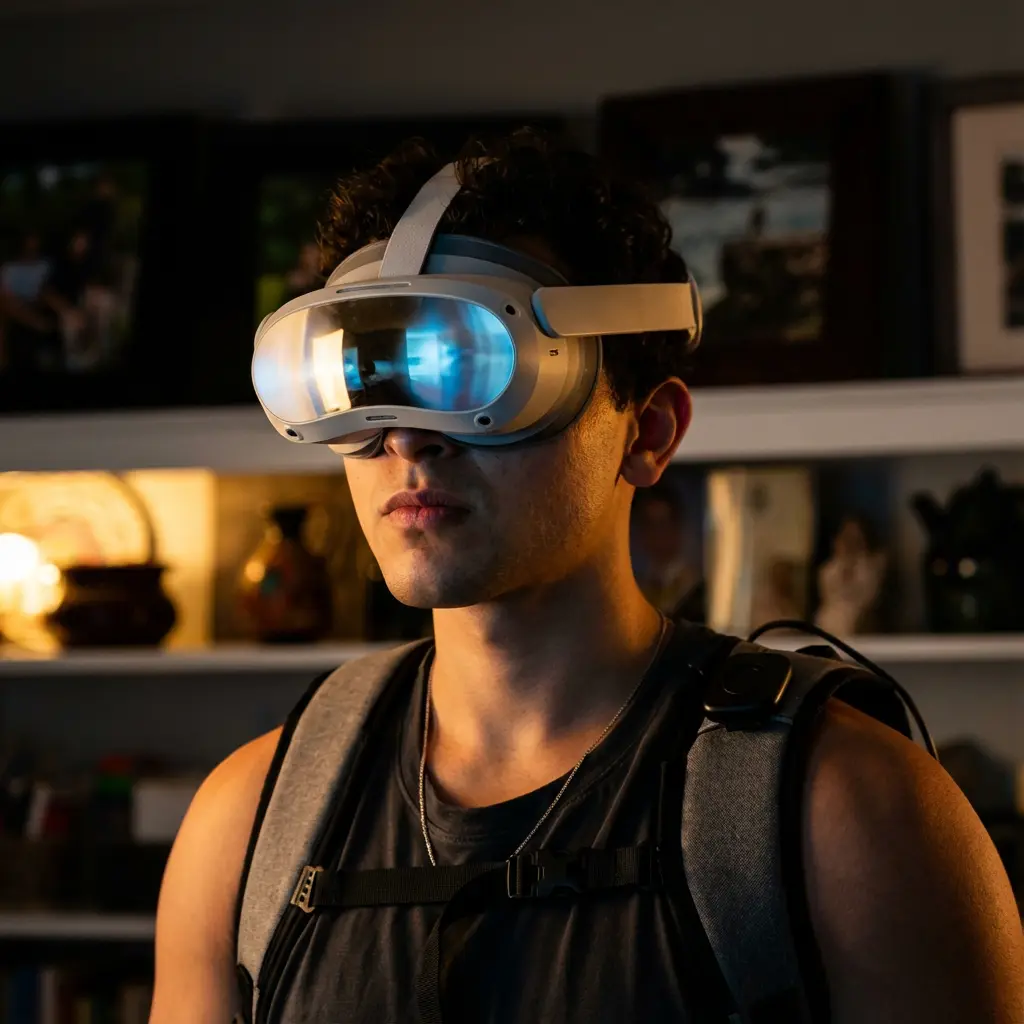
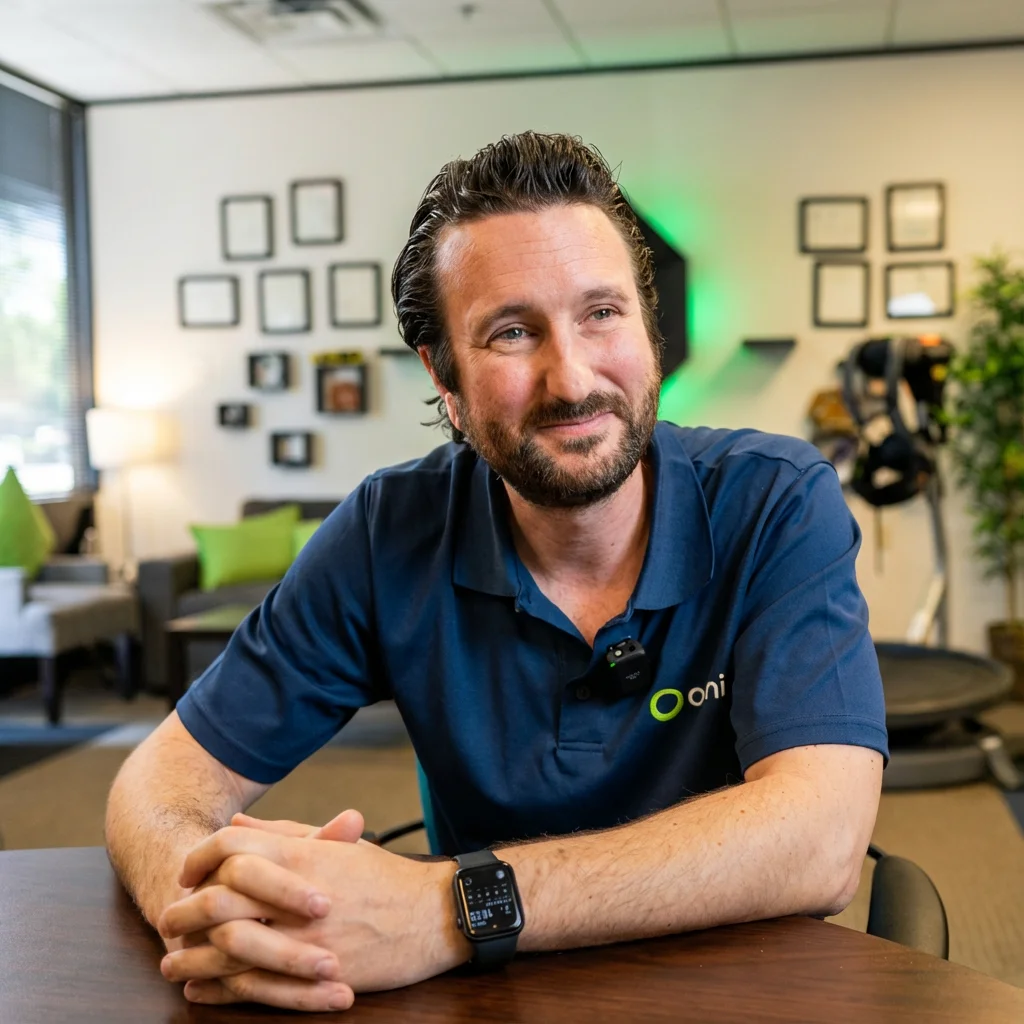
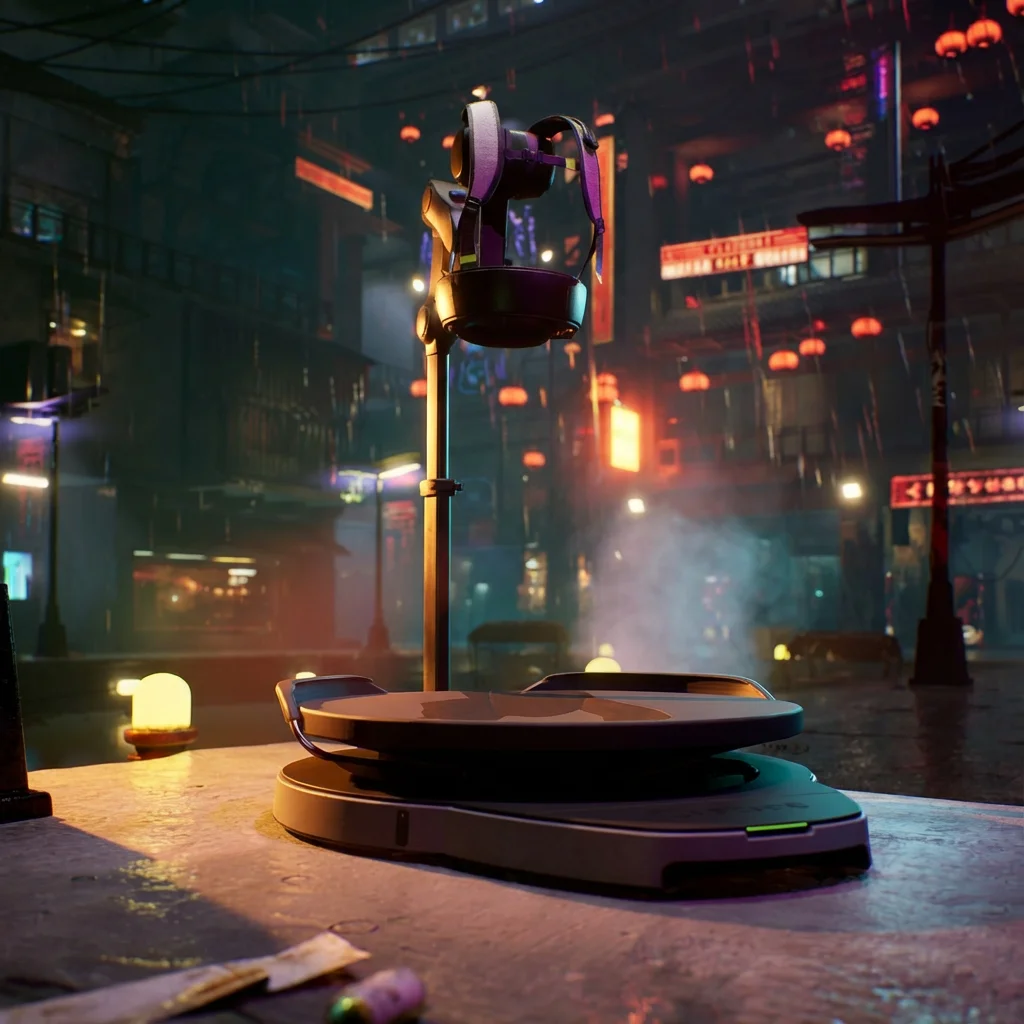
Early attention doesn’t equal success — especially in hardware. What followed the initial viral moment was nearly a decade of iteration, engineering challenges, and hard decisions. VR hardware evolved. Headsets got lighter. Tracking improved. Expectations rose. Many competitors entered the omnidirectional treadmill space — and many quietly disappeared.
Virtuix took a slower, more deliberate path. Instead of chasing novelty, the team focused on stability, ergonomics, and long-session usability. The result is Omni One: a self-contained, consumer-ready omnidirectional treadmill paired with a standalone VR ecosystem. Unlike earlier prototypes, Omni One isn’t a tech demo. It’s a product designed to live in a home.
Having tested and experienced multiple locomotion platforms — including consumer competitors like KAT VR and high-end commercial systems like Infinadeck — the differences become clear very quickly.
KAT VR and similar consumer treadmills prioritize accessibility and price, but often compromise on movement fidelity, stability at higher speeds, and long-session comfort. They work — but they rarely disappear beneath the experience.
At the other end of the spectrum, Infinadeck is an engineering marvel. Its motorized tile system delivers unparalleled freedom of motion — but at a cost. Massive footprint. Industrial complexity. Commercial-only deployment. It’s impressive technology, but not realistic for home users.
Omni One sits in the middle — and that’s exactly why it works. It delivers:
Virtuix’s appearance on Shark Tank marked a turning point — not just in visibility, but in legitimacy. Hardware VR startups are notoriously difficult to scale, and yet Virtuix managed to convince both the public and serious investors that this wasn’t a gimmick.
Over time, Virtuix raised more than $20 million to bring Omni One to market — funding not just manufacturing, but software development, content partnerships, and long-term platform support. This wasn’t a “ship it and hope” play. It was a full ecosystem bet.
Over the years, we’ve had the chance to meet Jan Goetgeluk multiple times — at GDC, in San Francisco, and across industry events. And without exception, those conversations have been a pleasure.
Jan isn’t selling hype. He’s iterating on a vision he’s believed in for over a decade. Every time we catch up, the discussion is less about buzzwords and more about what still needs to be improved, what users are actually feeling, and how VR movement can keep evolving. That long-term mindset shows in the product.
Omnidirectional treadmills have always been one of VR’s hardest problems. Many companies attempted to solve it. Very few delivered something people genuinely want to use. Omni One succeeds not because it’s perfect — but because it’s practical, stable, and finally ready.
It respects physical limits. It respects user comfort. And it respects the reality that immersion only works when the hardware disappears. For anyone serious about the future of active VR — fitness, esports, simulation, or immersive gameplay — Virtuix Omni One isn’t just another device.
It’s the clearest signal yet that real movement in VR has arrived — and it’s here to stay.